Croatia is a Mediterranean country that rewards light packing, but it has a few quirks that trip up first-time visitors. The Dalmatian coast — Dubrovnik, Split, Hvar — is hot, dry and reflective, with limestone old towns that bounce sun back at you from every surface. You'll want real sun protection (sunglasses, a hat that won't blow off, proper sunscreen) more than extra clothing. But the walls of Dubrovnik, the climbs in Hvar and every island ferry step are unforgiving in flimsy sandals, so grippy shoes beat pretty ones if you can only bring one pair.
Evenings are where the packing gets interesting. The coast cools a lot after sunset, especially on boats and exposed terraces, so a breathable layer you can throw on keeps you comfortable through long dinners without feeling overdressed. Modest cover-ups are worth having for church visits and the few spots where you're asked to cover shoulders. Swimwear you can wear twice a day is basically essential — nothing dries faster than a quick-dry suit you're happy to sit in on a restaurant chair afterwards.
Start Here
Table of Contents
Top 3 Outfit Color Strategies
Three ways to dress for every city in Croatia: blend in with the locals, stand out on purpose, or go with a timeless classic.
🇭🇷 Dubrovnik
Blend In
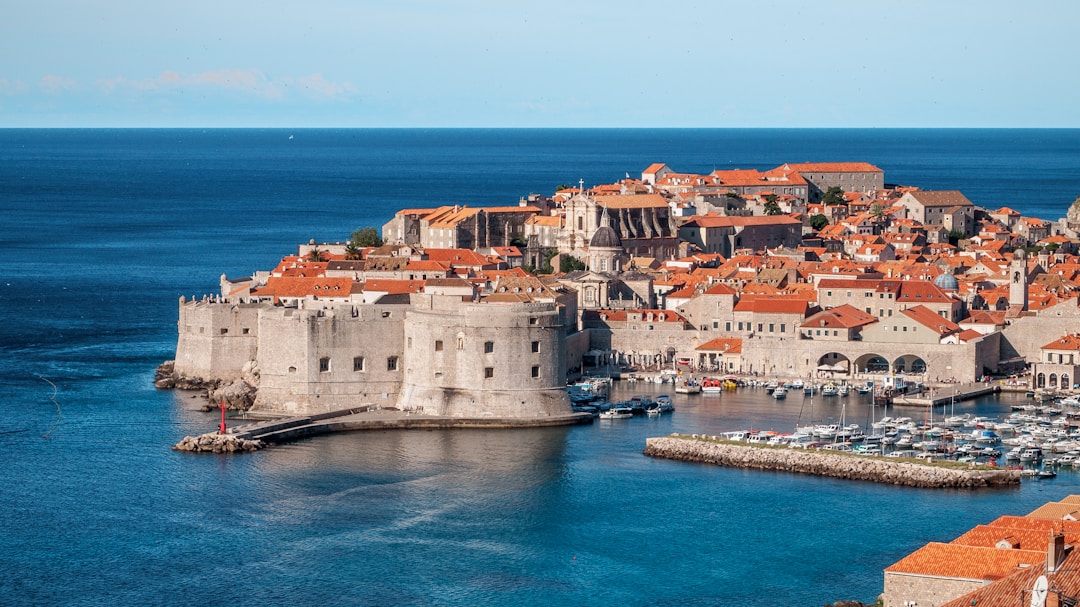
Choose a darker toasted beige to match the weathered crevices of the ancient city fortifications.
Stand Out
A vibrant teal is the punchy complement to the terracotta roofs, ensuring you vibrate off the screen in every rooftop photo.
Classic
Crisp, cool white is the analogous best friend to the limestone, offering a timeless, breezy look that never fails here.
🇭🇷 Dubrovnik
Blend In
Choose a toasted beige that matches the weathered crevices of the fortifications and looks right under softer May light.
Stand Out
A bright teal still cuts cleanly through the terracotta roofs, but in May it feels crisp rather than aggressively summery.
Classic
Crisp white is still the limestone's best friend, especially in May when the light is bright but not yet brutally reflective.
Colors of Croatia
Each city has a signature palette drawn from its architecture, landscape, and light. Wear these and you will look like you belong.
🇭🇷 Colors of Dubrovnik

Signature Outfit
A Stradun Limestone linen midi skirt paired with a Ragusa Terracotta silk tank. Drape an Adriatic Ultramarine sweater over your shoulders for the ferry ride to Lokrum. It mirrors the exact layers of the city—stone, roof, and sea—in a way that feels intentional and chic.
Avoid
Skip the muddy olives and heavy, charcoal greys. Dubrovnik in June is all about high-contrast clarity; muted, 'dirty' tones look tired against the sparkling sea and the bright, clean limestone. You’ll just end up looking washed out in the bright Adriatic light.

The Roof Tile Ember Look
Terracotta looks especially right in Dubrovnik because it picks up the roofscape you keep seeing from every rampart turn and rooftop terrace.

The Adriatic Rampart Blue Look
Muted blue feels cooler against Dubrovnik's pale stone and sea views, particularly on boat days when the city and water sit in the same frame.

The City Walls Honey Look
Soft honey and stone tones work beautifully in Dubrovnik because they echo the walls instead of fighting the bright old-town limestone.
🇭🇷 Colors of Dubrovnik
Signature Outfit
A Stradun Limestone linen midi skirt paired with a Ragusa Terracotta silk tank. Drape an Adriatic Ultramarine sweater over your shoulders for the ferry ride to Lokrum. It mirrors the exact layers of the city—stone, roof, and sea—in a way that feels intentional and chic.
Avoid
Skip the muddy olives and heavy, charcoal greys. Dubrovnik in June is all about high-contrast clarity; muted, 'dirty' tones look tired against the sparkling sea and the bright, clean limestone. You’ll just end up looking washed out in the bright Adriatic light.
The Roof Tile Ember Look
Terracotta looks especially right in Dubrovnik because it picks up the roofscape you keep seeing from every rampart turn and rooftop terrace.
The Adriatic Rampart Blue Look
Muted blue feels cooler against Dubrovnik's pale stone and sea views, particularly on boat days when the city and water sit in the same frame.
The City Walls Honey Look
Soft honey and stone tones work beautifully in Dubrovnik because they echo the walls instead of fighting the bright old-town limestone.
All guides for Croatia
🇭🇷 Dubrovnik
→June
What to pack for Dubrovnik in June: a practical checklist for 18–24°C (64–75°F) days, city walls heat, boat trips, and a June packing list.
🇭🇷 Dubrovnik
→May
What to pack for Dubrovnik in May: a practical checklist for 14–20°C (57–68°F) days, sea-breeze evenings, shoulder-season stairs, and bright Adriatic light.
Croatia by month
May
June
Croatia packing FAQ
What should I wear in Croatia?
In Croatia, dress for the season and the city: smart-casual layers in spring and autumn, breathable linens and cotton in summer, insulated layers and waterproofs in winter. Each city has its own palette and rhythm — see the city guides below.
What is the best month to visit Croatia?
Most travelers find the shoulder months (April–June and September–October) ideal in Croatia: thinner crowds, milder weather, and a richer local feel than peak summer.
What should I pack for Croatia?
Pack a carry-on capsule of weather-matched layers, comfortable walking shoes, one smart evening look, sun and rain cover, and outfits in neutral colors that read elegantly across cities. Each city guide includes a full checklist.
How do locals dress in Croatia?
Locals across Croatia favor neat, intentional outfits that match the city's natural and architectural palette. Avoid loud athleisure and beachwear in historic centers, and choose quiet pieces over loud branding.
Croatia packing guides cover Dubrovnik, Dubrovnik. Each guide includes weather forecasts, what to wear in croatia by month, capsule wardrobes for carry-on travel, and outfit colors picked to match each city.
More European destinations
Style and packing guides for other countries, sorted by city coverage.