What to Wear in Bulgaria in July (2026): Outfit tips for hot 81°F days against clay-tiled rooftop & ochre revival backdrops
July · 15-27°C (59-81°F) in Sofia, hotter inland · Light layers, storm backup, and modest extras for monasteries, mountain towns, and Black Sea evenings
Start Here
Table of Contents
Setting the Scene
What to Expect in Bulgaria in July
Step outside in Bulgaria in July and the smell changes by region before the day even settles. In Sofia, you get linden trees, espresso, hot paving, and the dry metallic hum of trams around Serdika. In Plovdiv, the heat comes off the stones around Kapana and the Roman Stadium faster, with grilled kebapche and cigarette smoke hanging in the lanes by evening. On the Black Sea, especially around Varna, you get sunscreen, salty air, fried sprats, and beach speakers testing bass before noon. July is the month when Bulgaria feels fully open-air: café tables spread deeper onto pavements, village festivals run late, and the cities sound more public, from church bells in old centers to the rattle of trolleybuses and the clipped hiss of espresso machines in shaded squares. Locals do not dress as though the whole country shares one climate. In Sofia, you still see jeans, shirts, and trainers after sunset because the air can cool quickly once the mountain edge takes the sun away. Along the coast, people move in lighter fabrics, but even there they usually keep one extra layer for bus rides, breezy promenades, or restaurants after dark. July is busy, but not in one uniform way: Sofia fills with open-air performances and terrace life, coastal towns swell with beach traffic and late-night promenading, and mountain gateways like Samokov or Bansko feel like launch pads for a cooler second half of the day.
Bulgaria in July also has a particular rhythm of surfaces and sound. You hear high heels and sneaker soles differently on the yellow paving stones by Sofia's National Assembly than you do on the uneven old-town climbs in Veliko Tarnovo or the polished monastery courtyards at Rila, where the stripes, frescoes, and mountain air make people lower their voices almost automatically. By late afternoon, clouds can gather over Vitosha or the Rila range even after a cloudless lunch, and the smell shifts to wet dust, pine, and hot stone just before a brief storm breaks. That is why locals carry themselves with more weather suspicion than the sky first suggests: a light shirt in the bag, proper shoes instead of flimsy sandals, and enough coverage to step into a church without feeling underdressed. Compared with June, July is louder, hotter inland, and more crowded in headline places like Nessebar, Sozopol, and the Seven Rila Lakes routes. Compared with August, it still feels slightly fresher in the capital and the mountains. What makes Bulgaria distinctive in July is how quickly you can move between climates and moods in a single itinerary: a tram morning in Sofia, a monastery detour where shoulders need covering, an afternoon thunderstorm over a ridge road, and a late meal on a square where the chairs are still full well past ten.
Tram hum
Sofia mornings start with metal rhythm
Monastery hush
Shoulders covered, voices drop automatically
Mountain turn
Blue sky flips to storm fast
Black Sea dusk
Sea breeze cools sun-tired skin
See Also
Bulgaria weather in July
Average Temperature
July
27°C / 81°F
15°C / 59°F low
Warm, sunny, storm-prone
10 days
Short Sofia-area showers after heat build-up
9.7h
Longest bright days of the year
63%
Drier in Sofia than on the coast
17 kmh / 11 mph
Ridges and Black Sea fronts feel cooler
Local Style
What does Bulgaria in July feel like?
🏖️
July in Bulgaria is a split-screen month. Sofia and the western highlands stay pleasantly warm by day and noticeably cooler after sunset, while Plovdiv and the Danube plain can feel properly hot and the Black Sea coast stays slightly softer but more humid. If you are arriving from northern Europe, Bulgarian summer can feel easy at breakfast and unexpectedly strong by noon, especially on monastery courtyards, Roman ruins, and beach promenades with little shade. The non-obvious packing problem is contrast: one trip can include sea glare in Varna, a thunderstorm over Rila, and a cool late dinner in a cobbled old town like Veliko Tarnovo or Bansko, so your wardrobe needs range rather than pure heatwave logic.
Style Palette
Colors of Bulgaria
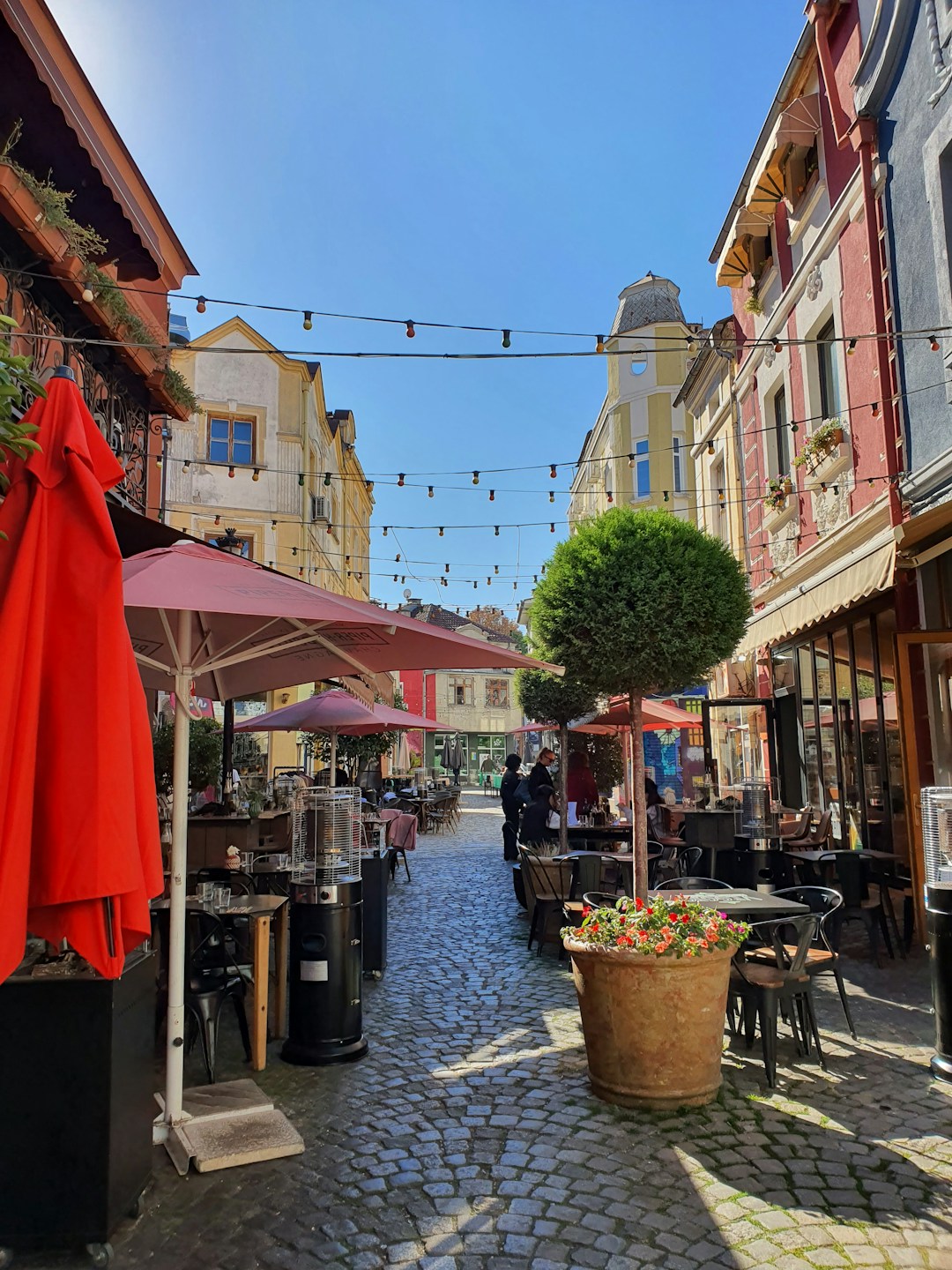
The distinctive clay-tiled roofs and sun-baked earth of the Bulgarian heartland.
Wearing this makes you part of the architectural soul of the country, especially in hilltop villages.
Warm undertones will look radiant against this rich, earthy orange-red.
The iconic, bold yellow-gold facades of the Bulgarian National Revival houses.
This colour provides a glowing, high-contrast look that feels expensive against a blue summer sky.
It beautifully enhances a summer tan and complements golden hair or skin tones.
Decorative ironwork, painted window shutters, and the deep shadows of carved wooden eaves.
Use this as a sophisticated anchor to ground your lighter, breezier summer fabrics.
This deep, muted blue is universally flattering and brightens cooler complexions.
The ubiquitous flower boxes hanging from wooden balconies across the country.
A strategic pop of this floral hue ensures you don't get lost in the sea of warm stone and wood.
Brightens up tired skin and looks especially lively on those with rosy undertones.
Signature Outfit
An ochre-yellow linen wrap dress paired with dark indigo leather slides and a woven basket bag. The yellow mimics the grand facades of the Old Town, while the indigo accents keep the look grounded and classic for a July afternoon.
Blend In Like a Local
How to Dress in Bulgaria Without Looking Like a Tourist
Heavy black polyester or grey athletic gear. These feel visually heavy and industrial against the charming, handcrafted aesthetic of Bulgaria's historic districts.
Top 3 Outfit Colors to look perfect in every Photo
Blend In
A deep rust shade disappears into the shadows of timber-framed houses and weathered brick.
Wardrobe Breakdown
What to wear in Bulgaria in July?
Fabrics
The Best Fabrics for Bulgaria's July Heat, Humidity, and Hill Towns
The local challenge in Bulgaria in July is that the country refuses to stick to one fabric brief. A linen shirt that feels perfect on the Sea Garden in Varna can suddenly need a layer once you are back in Sofia after dark, while heavy denim that seemed harmless at breakfast becomes sticky in Plovdiv by lunch. Locals usually solve this with breathable but town-ready fabrics: linen blends, cotton poplin, light viscose, and airy dresses or shirts that can move from tram ride to monastery stop without looking too beachy. You see fewer pure resort fabrics in Sofia than you do at Sunny Beach or Nessebar, and even along the coast most Bulgarians still dress with a little more structure than towel-to-restaurant tourism would suggest. Do not bring thick jersey, stiff denim shorts, or clingy synthetics that trap sweat on old-town climbs and feel wrong inside churches. Pack breathable fabrics that dry quickly, hold shape, and still look polished against stone courtyards and city squares.
Layers
The Best Layers for Bulgaria's Monasteries, Mountain Roads, and Cool Sofia Evenings
The local mistake in Bulgaria is packing for the hottest part of the day and forgetting everything around it. July afternoons can be scorching in inland cities, but monastery visits still ask for shoulder coverage, mountain roads cool quickly after rain, and Sofia terraces often feel fresh once the sun drops behind Vitosha. Bulgarians tend to carry light insurance rather than one heavy item: an overshirt, a thin cardigan, a small rain shell, or a scarf that can handle both modesty and weather. At Rila Monastery, that extra layer stops being optional if you arrived in a strappy top. In Sofia, it makes the difference between staying out comfortably and calling the night early after a storm. Do not bring a hoodie, bulky sweatshirt, or denim jacket unless you genuinely run cold; they are too much by day and annoying on trains or coaches. Pack one thin warmth layer and one compact rain layer, because Bulgaria in July often asks for both in the same 24 hours.
Footwear
The Best Footwear for Bulgaria's Old Stones, Beach Promenades, and Monastery Courtyards
Bulgaria punishes flimsy shoes because the terrain changes with every transfer. One day you are crossing Sofia's yellow cobbles and tram tracks, the next you are walking the steep lanes of Veliko Tarnovo, then dealing with smooth monastery stones at Rila or a seaside boardwalk in Burgas. July storms make old paving slick fast, and the heat makes unsupportive sandals feel worse by late afternoon than they did at breakfast. Locals who are actually moving through cities and sites rarely rely on paper-thin flip-flops unless they are only going to the beach. Instead, you see clean trainers, sturdy sandals with back straps, and comfortable walking shoes that still look fine at dinner. Do not bring heels, flimsy ballet flats, or fashion sneakers with no grip. They struggle on stairs, uneven paving, and the long station-to-center walks that are common in Bulgarian towns. Bring one grippy walking shoe and one secure warm-weather pair rather than one compromised do-everything sandal.
The Edit
Bulgaria Capsule Wardrobe
7 days, carry-on only. Built for Bulgaria's Sofia evenings, Black Sea afternoons, monastery stops, and mountain weather swings.

Carry-on only
Your bridge piece for Sofia cafés, monastery coverage at Rila, and cooler train rides inland.
Shop shirts →Breathable for hotter hours in Plovdiv or on the Varna seafront without overloading your bag.
Shop tops →Useful for Sofia after storms and dinners where the Vitosha breeze cuts the day's heat.
Shop knits →Necessary when mountain cloud builds over Rila or a quick July downpour hits an old-town walk.
Shop rain shells →Better than living in shorts if your route mixes churches, city squares, and evening buses.
Shop trousers →Essential if Bulgaria means Varna, Burgas, or Nessebar as well as inland cities.
Shop swimwear →Easy for a Plovdiv evening in Kapana or a seaside dinner where you want polish without overdressing.
Shop dresses →One grippy walking shoe for Sofia and monastery stones, one secure sandal for the coast and hotter inland afternoons.
Shop travel shoes →The Core
Your Packing Checklist
0 of 27 items packed
0%
Outerwear
0/3- Packable rain shell for those short July storms that roll over Sofia and the Rila roads.
- Light cardigan or knit for cooler evenings on Sofia terraces and Black Sea promenades.
- Thin overshirt for monastery visits and air-conditioned coaches between Bulgarian cities.
Tops & Layers
0/4- Breathable tops that still look right in Sofia, Plovdiv, and church-adjacent old towns.
- One shoulder-covering layer for Rila Monastery and other active Orthodox sites.
- Quick-dry tee or vest for coast days around Varna and Burgas.
- One smarter blouse or shirt for Kapana dinners or a late night on Vitosha Boulevard.
Bottoms
0/3- Light trousers or breezy skirt for monastery courtyards and cooler Sofia evenings.
- Hot-weather shorts for the Black Sea coast, but not as your only Bulgarian bottom.
- One sturdier pair for old-town climbs in Veliko Tarnovo or rain-marked mountain detours.
Footwear
0/3- Grip-sole trainers for Sofia paving, Plovdiv slopes, and wet monastery stones.
- Supportive sandals with back straps for the coast and hotter inland afternoons.
- Avoid flimsy flip-flops beyond the beach because Bulgarian old towns are rough on them.
Accessories
0/4- Sunglasses for strong July glare on the Black Sea and open city squares.
- Wide-brim hat or cap for Roman ruins, coastal promenades, and long bus waits.
- Zip-close crossbody bag for Sofia public transport, station changes, and beach-town evenings.
- Light scarf for church coverage, breezy buses, and post-storm temperature dips.
Toiletries & Health
0/4- SPF 30 or 50 because Bulgaria's July UV stays high from Sofia to the coast.
- After-sun for Black Sea afternoons and exposed monastery or ruin visits.
- Blister plasters for cobbles, station steps, and long old-town walks.
- Travel-size insect repellent if your route includes lakes, forests, or mountain evenings.
Documents & Tech
0/6- Passport and accommodation confirmations; Bulgaria is fully in Schengen in 2026, so short stays count toward Schengen limits.
- Check your visa rules before travel; UK citizens can visit Bulgaria visa-free for up to 90 days in any 180-day Schengen period.
- Type C and Type F plug adapter for Bulgaria's 230V, 50Hz sockets.
- BDZ, Sofia Traffic, and Bolt apps for trains, Sofia public transport, and ride-hailing.
- For July 2026, expect EES biometric border processing if you are a non-EU traveler entering Schengen; ETIAS is scheduled for the last quarter of 2026, so it is not yet required.
- Since 1 January 2026 Bulgaria uses the euro, so bring a card setup that handles euro transactions smoothly.
Affiliate Picks
Shop the Essentials
Luggage Guide
What Luggage to Bring to Bulgaria
Bulgaria works best with lighter luggage because a single trip can mean Sofia station transfers, old-town stairs in Plovdiv or Veliko Tarnovo, and uneven monastery or coastal paving. A heavy case always feels least welcome exactly where the country gets most beautiful.
2-4 nights
🎒 Structured travel backpack
35–45 L / 9–12 gal
- ✓Best for Sofia pavements, monastery steps, and old-town hills
- ✓Easy to carry through BDZ stations and bus changes
- ✓Leaves room for a rain shell and modesty layer without overpacking
5-7 nights
🧳 Compact cabin roller
35–45 L / 9–12 gal
- ✓Fine for flatter city stays like central Sofia or Varna boulevards
- ✓Keeps beachwear separate from city layers
- ✓Works if your hotels are near road access rather than deep in old quarters
8+ nights
🛄 Medium check-in suitcase
60–75 L / 16–20 gal
- ✓Useful only if Bulgaria is one leg of a longer Balkan trip
- ✓Helps for families combining coast, city, and mountain gear
- ✓More practical for car-based routes than rail-heavy ones
Plan Around Events
Events That Affect What You Pack
Before You Charge
Plug & Outlet type in Bulgaria


🇺🇸 From the US?
You need a Type C or Type F adapter in Bulgaria. Most phone chargers, camera chargers, and laptop bricks are dual-voltage and usually work once the plug shape is adapted. Many US hair tools are not dual-voltage, so check the label before bringing them to Sofia or the coast.
🇬🇧 From the UK?
You need an adapter because UK Type G plugs do not fit Bulgarian sockets. Phones, tablets, and laptops sold in the UK are usually dual-voltage and work fine on 230V. Heated brushes and straighteners vary, so confirm they are marked 220-240V before packing.
🇩🇪 From Germany?
Most German plugs already fit Bulgaria's Type F outlets, so you usually do not need an adapter. Your chargers and laptops already match the same 230V system. Hair tools bought for Germany generally work without any voltage issue.
🇦🇺 From Australia?
You need an adapter for Bulgaria's European sockets. Phones and laptops are usually dual-voltage, but many Australian hair tools are not. Bring only devices clearly marked 220-240V or leave bulky heat tools at home.
Getting Around
How to Get Around Bulgaria
Bulgaria is a country of very different travel zones: a walkable capital core in Sofia, compact old towns like Plovdiv and Veliko Tarnovo, long rail and coach links between regions, and seasonal coastal movement around Varna and Burgas. Most trips work best with a mix of walking, Sofia public transport, intercity rail, coaches, and ride-hailing in bigger cities.
Walking
Historic centers like Sofia's central zone, Plovdiv old town, and Nessebar's peninsula reward walking, but the surfaces are mixed. Expect cobbles, steep lanes, church thresholds, and occasional long station-to-center walks that make flimsy shoes a mistake.
No app needed
Sofia Metro and city network
Sofia's metro is the quickest way to cover airport, center, and outer districts, while the rest of the city runs on trams, trolleys, and buses. The official route-and-schedule system is Sofia Traffic, and it becomes genuinely useful when summer heat makes unnecessary transfers feel longer.
Visit site →BDZ Passengers
BDZ is the backbone for longer Bulgaria travel between Sofia, Plovdiv, Varna, Burgas, and Ruse. It is slower than western European rail in some corridors, but it is the practical low-stress way to connect major Bulgarian cities without driving.
Visit site →BGRazpisanie coach network
For routes where trains are awkward, Bulgaria's bus and coach system fills the gap, especially to smaller towns, beach resorts, and mountain gateways. BGRazpisanie is the most useful search tool when you need actual departure options rather than guesswork at a station.
Visit site →Bolt
Bolt works in Sofia and is the easiest ride-hailing option for airport runs, late arrivals, or accommodation outside the historic core. It matters most when summer storms hit, or when you have luggage and do not want to drag it over yellow paving stones or tram tracks.
Visit site →In Case You Forgot Something
Where to Buy What You Forgot
Paradise Center
Shopping CentreThe easiest one-stop reset in Sofia for clothing, toiletries, pharmacy needs, and a replacement layer if Bulgarian July weather swings harder than expected.
📍 100 Cherni Vrah Blvd., Sofia 1407, Bulgaria
🕐 Monday-Sunday 10:00-22:00
H&M Paradise Center
Fast FashionUseful for an emergency lightweight shirt, church-appropriate cover-up, or a cooler-evening outfit that still works in Sofia and Plovdiv.
📍 Paradise Center, 100 Cherni Vrah Blvd., Sofia 1407, Bulgaria
🕐 Monday-Sunday 10:00-22:00
Billa Paradise Center
SupermarketGood for snacks, fruit, water, picnic basics, and apartment-stay supplies before a train or coach out of Sofia.
📍 Paradise Center, 100 Cherni Vrah Blvd., Sofia 1407, Bulgaria
🕐 Monday-Sunday 08:00-22:00
SUBRA Paradise Center
Apteka / PharmacyA practical pharmacy stop for sunscreen, plasters, allergy tablets, and post-storm cold remedies when your Bulgaria itinerary is moving quickly.
📍 Paradise Center, 100 Cherni Vrah Blvd., Sofia 1407, Bulgaria
🕐 Monday-Sunday 10:00-22:00
Decathlon Sofia Krasno Selo
Sporting GoodsBest for replacing a rain shell, buying a cap, or fixing a footwear mistake before monastery steps, mountain walks, or a long coast day.
📍 HOLIDAY PARK Sofia, bul. Nikola Mushanov 149, Sofia 1330, Bulgaria
🕐 Monday-Sunday 10:00-21:00
dm Paradise Center
DrugstoreHandy for toiletries, after-sun, insect repellent, travel-size products, and quick beauty basics before heading back onto the road.
📍 Paradise Center, 100 Cherni Vrah Blvd., Sofia 1407, Bulgaria
🕐 Monday-Sunday 10:00-22:00
Free download
Bulgaria packing checklist
Get the printable checklist for Bulgaria, plus bonus notes on monastery layers, Black Sea beach extras, and the exact plug adapter to pack.
No spam, ever.
Same Time of Year
Other European cities to visit in July
A diverse pick across countries — packing for July weather, with city-specific color palettes and capsule wardrobes for each.
What to pack for Antalya in July
Turkey
What to pack for Berlin in July
Germany
What to pack for Bruges in July
Belgium
What to pack for Cinque Terre in July
Italy
What to pack for Copenhagen in July
Denmark
What to pack for Fjords in Norway in July
Norway
What to pack for Ireland in July
Ireland
What to pack for Lake Bled in July
Slovenia