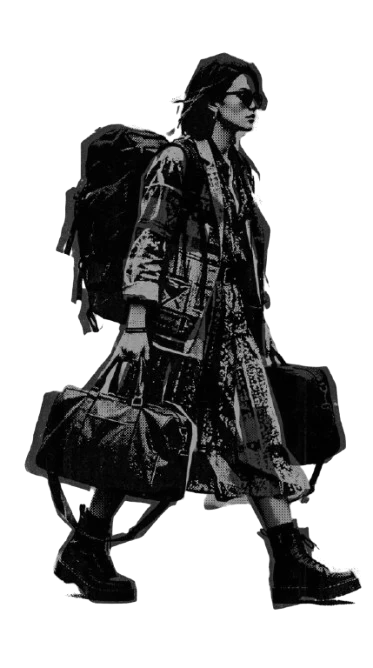
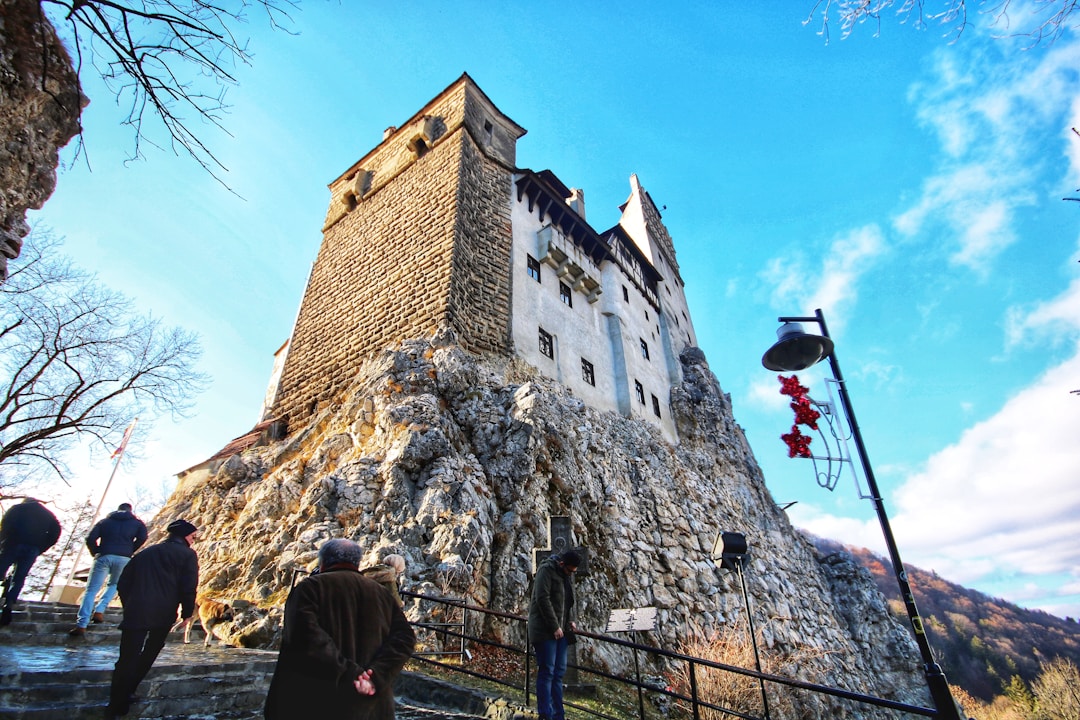
What to Pack for Transylvania in July (2026): Outfit tips for cream-plaster medieval & dark-shingle backdrops
July · 10-21°C (50-70°F) · Light layers, rain backup, and sturdy shoes for citadel stairs, forest detours, and cool mountain evenings
Start Here
Table of Contents
Setting the Scene
What to Expect in Transylvania in July
You notice wood smoke, damp plaster, and coffee before you notice Dracula souvenirs. In July, Transylvania sounds like church bells bouncing off painted facades, trolleybus wires humming in Brașov, and the hard clack of suitcase wheels on old stone where the lanes narrow near Strada Sforii. Step into Piața Sfatului in the morning and the postcard pieces are all there, but they are not static: delivery vans edge through early, café staff drag out chairs, and day-trippers look up toward the Tâmpa sign while swifts cut across the square. The light is generous in July, yet the region never feels baked flat like the Romanian south. Forested slopes sit close behind the towns, so even warm afternoons carry the sense that shade is nearby. Locals dress more practically than the Gothic marketing suggests. In Brașov and Sibiu, you see clean trainers, straight-leg jeans, easy dresses, overshirts, and thin cardigans looped over bags for later, because everybody knows the temperature drops fast once the sun leaves the square. July is full season here, which means Bran's queues start early, Sighișoara's lanes are thick with cameras by midday, and the cable car line in Brașov is no longer a casual decision. What disappears in July is shoulder-season hush; what replaces it is a very Transylvanian rhythm of bright lunch hours, short storms, and long, cool evenings in stone courtyards.
Transylvania in July also smells greener than many first-time visitors expect. Beyond the old-town facades there is cut grass, wet pine, cellar coolness, and that metallic scent that rises just before a mountain shower rolls over the ridgeline. In Sighișoara Citadel, the cobbles hold the morning chill longer than the air, and by late afternoon you hear terrace glasses, violin buskers, and the thud of shoes on the covered Scholars' Stairs. In Sibiu, the upper town squares feel broad and bright, then a few minutes later the lower passages turn cool and echoing, with laundry lines, stone archways, and the odd smell of rain trapped in old walls. This is what makes packing for Transylvania different from packing for a single city: the region asks you to move constantly between train platforms, hill paths, medieval stairs, and café terraces. Locals behave accordingly. They do not treat July as pure summer wardrobe season; they carry one extra layer, wear shoes that can handle slick stone, and rarely look surprised when a sunny morning turns into a quick shower over Poiana Brașov or a windy lookout above Bran. Compared with May or October, July gives you the longest days and the fullest event calendar, but it also brings the highest concentration of crowds in headline spots. The reward is that citadel evenings stay lively long after the tour buses leave, when the façades glow warm and the air finally cools enough for a knit or a light jacket.
Bell echo
Church bells ricochet across citadel walls
Storm edge
Sun flips to rain in minutes
Ridge breeze
Cable-car tops need another layer
Stone climb
Citadel stairs punish flimsy soles
See Also
Transylvania weather in July
Average Temperature
July
21°C / 70°F
10°C / 50°F low
Warm days, cool nights
16 days
Afternoon showers around Brașov ridges
7h
Clear mornings before storm build-up
63%
Forests and valleys hold moisture
7 kmh / 4 mph
Cable-car tops feel cooler
Local Style
What does Transylvania in July feel like?
🏰
July in Transylvania is not Bucharest-hot and not Alpine-cold; it sits in that deceptively easy middle where you can eat lunch in short sleeves in Piața Sfatului and still want an extra layer by the time the shadows reach the Black Church. If you are arriving from southern Europe, the evenings around Brașov, Sibiu, and Sighișoara feel cooler than the calendar suggests, especially after rain. The non-obvious challenge is variability: mountain-edge towns warm up nicely by midday, then clouds gather over the Carpathians and drop a short shower just as you start walking the walls, climbing a citadel stair, or riding a cable car. UV is still strong at altitude, but damp stone and wet cobbles matter as much as sunshine.
Style Palette
Colors of Transylvania

The weathered, cream-toned plaster of medieval merchant houses and fortified church walls.
Wearing this makes you look like a natural extension of the old town's soft, historical texture.
The warm ivory undertones are incredibly forgiving for fair to medium complexions.
The dark, rain-silvered timber roofs of traditional villas and the soot-stained stone of the Black Church.
This creates a moody, grounded anchor that prevents your photos from looking washed out against pale streets.
Cooler skin tones will find this provides a crisp, striking contrast.
Bold ochre facades in Sibiu and the wildflowers dotting the hilly pastures of the surrounding countryside.
Pop against the grey stone and green hills with this punchy, high-energy hue.
Golden undertones will absolutely glow when wearing this deep, honeyed yellow.
The dense, evergreen forests of the Southern Carpathians that frame every mountain town.
This deep green offers a sophisticated alternative to black that feels much more connected to the Romanian landscape.
A rich choice for those with olive skin or deep complexions.
Signature Outfit
A Marigold yellow midi dress cinched with a dark leather belt, paired with Saxon Stucco canvas sneakers. It's vibrant enough to stand out in the crowded Council Square but the earthy tones keep it feeling respectful of the historic surroundings.
Blend In Like a Local
How to Dress in Transylvania Without Looking Like a Tourist
High-vis neons or stark, sterile whites. They clash aggressively with the organic, aged patina of the medieval stonework and end up looking cheap in the soft Transylvanian light.
Top 3 Outfit Colors to look perfect in every Photo
Blend In
A muted clay brown mimics the depth of the region's ancient masonry and unpaved village paths.
Wardrobe Breakdown
What to wear in Transylvania in July?
Fabrics
The Best Fabrics for Transylvania's July Sun-and-Storm Swings
The local challenge in Transylvania in July is not extreme heat but constant temperature contrast between exposed squares and shaded stone lanes. A heavy cotton sweatshirt feels excessive by lunchtime in Sibiu's Piața Mare, yet a thin, clingy top can feel wrong once you are sitting outside in Sighișoara after a shower. Locals usually solve this with breathable fabrics that layer well: cotton poplin shirts, fine merino, washed linen blends, and light trousers that do not feel cold the second the sun drops behind a church tower. You see fewer pure beach fabrics here and more town-friendly pieces that can move from train to terrace without looking sloppy. Do not bring thick denim, sweat-heavy fleece, or synthetic tops that trap heat on uphill walks and feel clammy after rain. Transylvania rewards fabrics that stay crisp, dry quickly, and still look right in a medieval square. Pack breathable tops and one smarter layerable piece instead of bulky summer-only separates.
Layers
The Best Layers for Transylvania's Cool Citadel Evenings
The local mistake in Transylvania is assuming July means one-temperature dressing from breakfast to bedtime. It does not. The same day can start cool on a Brașov station platform, turn bright in Piața Mică, then end windy near Bran or damp after a fast-moving storm over the hills. Residents dress as if evening will arrive earlier than the clock says: overshirts, thin knits, lightweight jackets, and easy layers that fold small into a tote or backpack. In old towns like Sighișoara, where you spend half the day in shade and the other half in open sun, that extra layer stops being optional. Do not bring a padded jacket or a chunky hoodie; they are too much for daytime and annoying to carry. The smarter Transylvania layer is a fine cardigan, overshirt, or light trench-style shell that works over a tee in the morning and over a dress at dinner. Bring one layer for warmth and one light shell for rain, not one bulky item trying to do both badly.
Footwear
The Best Footwear for Transylvania's Cobbles, Citadel Stairs, and Forest Detours
The local footwear problem in Transylvania is that the surfaces keep changing every hour. You go from station underpasses to medieval cobbles, then up Scholars' Stairs in Sighișoara, then onto packed earth near Bran or a wooded path below Tâmpa. July rain makes the polished stone in old-town lanes noticeably slick, especially where centuries of foot traffic have smoothed the edges. Locals and repeat visitors rarely bother with flimsy sandals unless they are only walking to dinner. Instead, you see grippy trainers, sturdy sandals with a back strap, and low-profile walking shoes that still look fine in a square. Do not bring heels, thin-soled ballet flats, or fashion sneakers with no traction. They struggle on wet stone and on the uneven transitions between curb, stair, and cobble. The right Transylvania shoe is supportive enough for a hill climb, neat enough for a restaurant, and confident on damp steps after a passing storm.
The Edit
Transylvania Capsule Wardrobe
7 days, carry-on only. Built for Transylvania's train hops, citadel stairs, mountain lookouts, and cool evenings in Brașov and Sibiu.
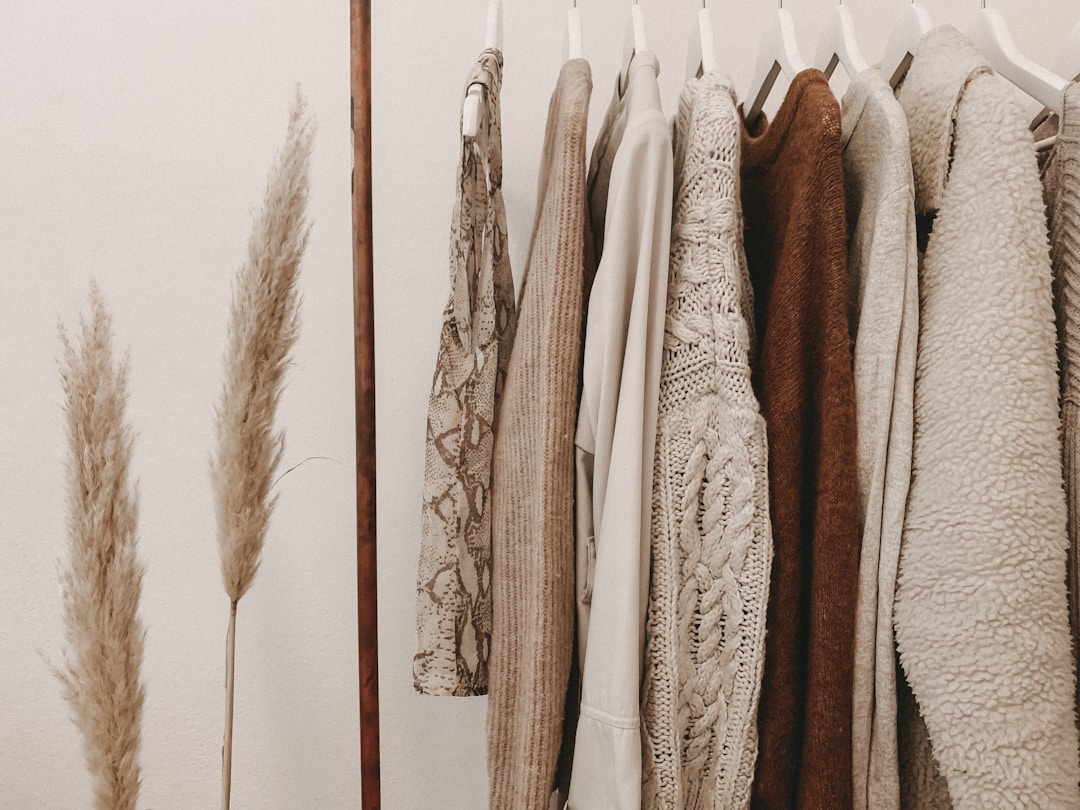
Carry-on only
Your flexible layer for bright hours in Piața Sfatului and cooler shade in Sighișoara Citadel.
Shop shirts →Breathable for train days between Brașov, Sibiu, and Cluj without overheating on station platforms.
Shop tops →Your insurance for cool citadel dinners and windy terrace seats after rain.
Shop knits →Necessary for those July showers that arrive halfway through a Bran or Poiana Brașov outing.
Shop rain shells →More useful than shorts on cool evenings in Sibiu and on wooded walks below the ridge.
Shop trousers →Easy for restaurant terraces in Brașov old town without looking too summery for the temperature.
Shop dresses →Useful for stormy days, cave visits, and chillier night trains between Transylvanian towns.
Shop jeans →One grippy trainer for citadels and stations, one sturdy sandal or light shoe for dry afternoons in town.
Shop travel shoes →The Core
Your Packing Checklist
0 of 26 items packed
0%
Outerwear
0/3- Packable rain shell for July showers that sweep over Brașov and Poiana Brașov in the afternoon.
- Light cardigan or fine knit for cool restaurant terraces in Sibiu and Sighișoara after sunset.
- Thin overshirt for early station starts before the old-town squares warm up.
Tops & Layers
0/4- Breathable tops that still look neat in Piața Mare, not beach tanks that feel wrong in the citadels.
- One smarter shirt or blouse for dinner in Brașov old town when the temperature drops faster than expected.
- Moisture-managing base tee for castle climbs, station transfers, and sudden uphill walks.
- Long-sleeve sun cover for ridge viewpoints where UV stays high even when the air feels cool.
Bottoms
0/3- Light trousers for evening walks through Sibiu's upper and lower town passages.
- Straight jeans or sturdier trousers for stormier days around Bran and forest-edge stops.
- One warm-weather bottom for sunny afternoons in Brașov and Cluj, but not your whole wardrobe.
Footwear
0/3- Grip-sole trainers for Sighișoara's slick stone lanes and the worn steps near the Black Church.
- Supportive second pair for cable-car outings, station underpasses, and longer regional day trips.
- Avoid thin-soled fashion shoes on damp cobbles and citadel stairs.
Accessories
0/4- Compact umbrella for the fast July showers that arrive after a clear morning in Brașov.
- Sunglasses for bright hilltop glare above old towns and castle courtyards.
- Crossbody bag for train platforms, crowded Bran queues, and festival evenings in Cluj county.
- Light scarf for windy ridge lookouts and cooler church interiors.
Toiletries & Health
0/4- SPF 30 or 50 for exposed viewpoints and castle courtyards where the sun is stronger than the air temperature suggests.
- Blister plasters for long days on cobbles in Brașov, Sibiu, and Sighișoara.
- Travel-size insect repellent for wooded walks and evening outdoor dining near the Carpathian edge.
- Allergy or cold-weather backup if mountain rain and cool evenings catch you in a lighter outfit.
Documents & Tech
0/5- Passport and hotel confirmations; Romania is in the Schengen Area, so your allowed stay counts toward Schengen limits in 2026.
- Check visa rules for your nationality before travel; UK visitors can enter Romania visa-free for up to 90 days in any 180-day Schengen period.
- Type C or Type F plug adapter for Romania's 230V, 50Hz sockets.
- CFR Călători, 24pay, Uber, and Bolt apps for trains, Brașov buses, and ride-hailing between stations and old towns.
- Expect Schengen EES processing for non-EU travelers in July 2026; ETIAS is not yet required because it is due later in 2026.
Affiliate Picks
Shop the Essentials
Luggage Guide
What Luggage to Bring to Transylvania
Transylvania rewards light luggage because medieval centers mean steps, slick cobbles, and station underpasses rather than smooth airport-style surfaces. Add guesthouse stairs in Brașov or Sighișoara and a heavy case becomes more trouble than the extra outfits are worth.
2-4 nights
🎒 Structured travel backpack
35–45 L / 9–12 gal
- ✓Easiest on Sighișoara citadel steps and Brașov old-town paving
- ✓Leaves hands free for train changes and cable-car queues
- ✓Fits a shell and extra layer without overpacking
5-7 nights
🧳 Compact cabin roller
35–45 L / 9–12 gal
- ✓Fine between major stations and flatter stretches of Sibiu
- ✓Keeps city clothes separate from rain gear
- ✓Works best if your hotels are near road access rather than high citadel lanes
8+ nights
🛄 Medium check-in suitcase
60–75 L / 16–20 gal
- ✓Useful only for longer Romania loops with multiple climates
- ✓Better for car-based trips than rail-heavy itineraries
- ✓Helps if you are carrying festival gear for Electric Castle as well as town clothes
Plan Around Events
Events That Affect What You Pack
16-19 July 2026
Electric Castle
If your Transylvania route includes Bonțida, add a proper rain layer, closed shoes you do not mind getting muddy, and a small crossbody for long outdoor sets after dark.
Before You Charge
Plug & Outlet type in Transylvania


🇺🇸 From the US?
You need a Type C or Type F adapter in Transylvania. Most phone chargers, cameras, and laptop bricks are dual-voltage, so they usually work once the plug shape is adapted. Many US hair tools are not dual-voltage, so check the label before packing them for Brașov or Sibiu hotels.
🇬🇧 From the UK?
You need an adapter because UK Type G plugs do not fit Romanian sockets. Phones, tablets, and laptops sold in the UK are usually dual-voltage and work fine on 230V. Heated brushes and straighteners vary, so confirm they are marked 220-240V before bringing them.
🇩🇪 From Germany?
Most German plugs already fit Romanian Type F outlets, so you usually do not need an adapter in Transylvania. Your chargers and laptops already match the same 230V system. Hair tools bought for Germany generally work without issue.
🇦🇺 From Australia?
You need an adapter for Romania's European sockets. Phones and laptops are usually dual-voltage, but many Australian hair tools are not. Bring only devices clearly marked 220-240V or skip heat tools and use the hotel dryer.
Getting Around
How to Get Around Transylvania
Transylvania is a region of linked old towns rather than one single walkable center, so most trips mix intercity rail with a lot of pavement-heavy local walking. Brașov, Sibiu, and Cluj all work best without a car in their historic cores, but you still need trains, buses, or ride-hailing between stations, castles, and hill towns.
Walking
Old centers like Brașov, Sibiu, and Sighișoara are made for walking once you arrive, but the surfaces are not easy ones. Expect cobbles, stairs, narrow lanes, and some sharp climbs between station areas and historic squares.
No app needed
CFR Călători
Trains are the backbone for moving between Brașov, Sibiu, Cluj-Napoca, and Sighișoara without driving. They are the most practical way to cover regional distances, especially if you want to avoid summer road traffic around Bran and the mountain approaches.
Visit site →Autogari.ro coach network
For gaps the rail map does not cover neatly, Romania's coach network is useful for smaller Transylvanian towns and castle detours. Autogari.ro is the easiest place to check schedules and operators when you need a bus rather than a train.
Visit site →RATBV Brașov + 24pay
If Brașov is your base, RATBV buses are the practical local network and 24pay is the useful ticket app. This matters for moving between the station, the old town, and suburban points around the city without relying on taxis every time.
Visit site →Uber / Bolt
Ride-hailing works well in larger Transylvanian cities, especially for station transfers, rainy evenings, and accommodations perched above the historic core. In Brașov, both Uber and Bolt operate, which is far more reliable than hoping to flag a cab exactly where tourists cluster.
Visit site →In Case You Forgot Something
Where to Buy What You Forgot
AFI Brașov
Shopping CentreThe easiest all-in-one reset stop if your Transylvania itinerary is based around Brașov. You can replace layers, buy toiletries, pick up groceries, and solve a rain-gear problem in one building.
📍 Bulevardul 15 Noiembrie 78, Brașov 500097, Romania
🕐 Monday-Sunday 10:00-22:00
H&M Coresi Brașov
Fast FashionUseful for an emergency knit, extra trousers, or a dry outfit after a soaked travel day between towns.
📍 Strada Zaharia Stancu 1, 500167 Brașov, Romania
🕐 Monday-Sunday 10:00-22:00
Carrefour AFI Brașov
SupermarketGood for snacks, bottled water, picnic supplies, and practical basics if your Transylvania plan includes train days and early starts.
📍 Bulevardul 15 Noiembrie 78, Brașov, Romania
🕐 Monday-Sunday 08:00-22:00
Farmacia Catena
Farmaciă / PharmacyA reliable local pharmacy stop for plasters, cold remedies, sunscreen, and anything you forgot before a cooler mountain evening.
📍 Strada Brândușelor 74, Brașov, Romania
🕐 Monday-Friday 08:00-21:00, Saturday 09:00-16:00, Sunday 09:00-13:00
Decathlon Brașov
Sporting GoodsBest for a rain shell, grippier shoes, small hiking accessories, and weather backup if your Transylvania trip shifts toward walks and lookouts.
📍 Strada Zaharia Stancu 2A, 500167 Brașov, Romania
🕐 Monday-Sunday 09:00-21:00
dm drogerie markt
DrugstoreHandy for toiletries, sunscreen, cosmetics, and travel-size refills if you arrive in Brașov with a minimal carry-on.
📍 Calea București 105, Brașov, Romania
🕐 Monday-Saturday 10:00-21:00, Sunday 10:00-18:00
Free download
Transylvania packing checklist
Get the printable checklist for Transylvania, plus bonus notes on Brașov rain layers, citadel footwear, and the exact plug adapter to bring.
No spam, ever.
Same Time of Year
Other European cities to visit in July
A diverse pick across countries — packing for July weather, with city-specific color palettes and capsule wardrobes for each.
What to pack for Antalya in July
Turkey
What to pack for Berlin in July
Germany
What to pack for Bruges in July
Belgium
What to pack for Bulgaria in July
Bulgaria
What to pack for Cinque Terre in July
Italy
What to pack for Copenhagen in July
Denmark
What to pack for Fjords in Norway in July
Norway
What to pack for Ireland in July
Ireland